
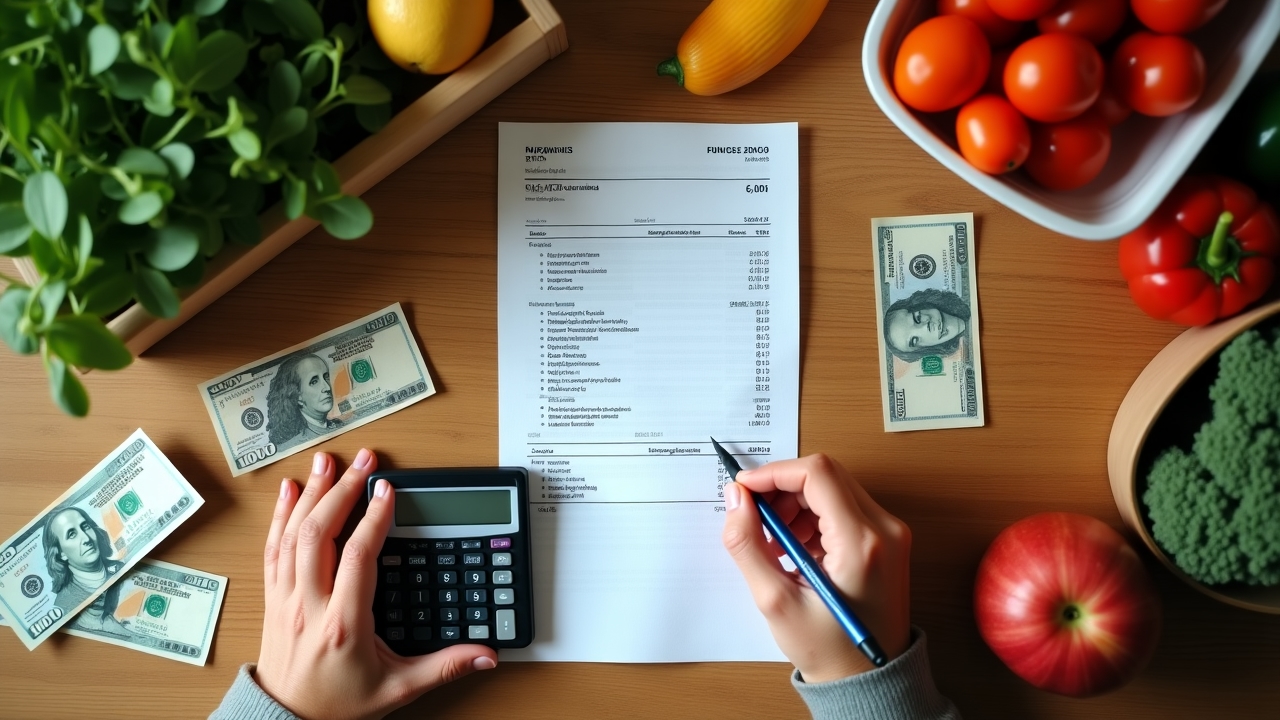
Inflation and daily shopping: how to protect your purchasing power
Inflation is a constant reality in Argentina that directly affects your purchasing capacity. Every time you go to the supermarket, you notice how the same products cost more than the previous week...
Inflation isn't just an abstract number in economic news. It's that moment at the supermarket when you realize your usual cart now costs 10% more than last month. It's the feeling that your salary reaches for fewer things each time. And it's the most important challenge facing personal finances in Argentina.
But understanding inflation gives you power to combat it. First, you need to recognize that your money loses value over time. Those pesos you keep under the mattress or in an account without interest are losing purchasing power day by day. That's why the strategy must be twofold: protect your savings and optimize your purchases.
Strategies for your daily shopping
Start with the basics: keep a price record of your essential products. Note how much you pay for milk, bread, meat, cleaning products. This record allows you to identify when there are real increases and when it's just perception. It also helps you detect genuine deals.
Shop intelligently by taking advantage of promotions on non-perishable products. If you see a good deal on toilet paper, soaps or canned products, buy in quantity. You're getting ahead of future increases. But be careful: only do this with products you actually use and that won't expire.
Diversify your shopping places. Don't marry a single supermarket. Prices vary significantly between chains, and what's expensive in one may be economical in another. Price comparison apps are your allies.
Protecting your savings
For your savings, you need instruments that at least match inflation. Traditional fixed terms rarely achieve this. Consider UVA fixed terms that adjust for inflation, mutual funds investing in CER bonds, or a combination of different instruments.
The key is not to keep all your money in liquid pesos. Part of your savings can be in inflation-adjustable instruments, another part in assets that historically outpace inflation, and only what's needed for immediate expenses in cash.
List of concrete actions
- Create a spreadsheet with prices of 10 products you buy regularly and update it monthly
- Establish a flexible budget that contemplates 5-10% monthly increases
- Take advantage of deals to stock up on non-perishable products
- Research UVA fixed terms or money market funds for your short-term savings
- Consider instruments that adjust for inflation for medium and long-term savings
- Review your fixed expenses every quarter and look for more economical alternatives
Inflation is a challenge, but with strategy and discipline you can minimize its impact on your personal economy. The important thing is to act, not remain paralyzed watching your money lose value.